

Green Building Materials for Interiors: Design That Breathes

Chosen theme: Green Building Materials for Interiors. Step into a home that feels fresher, looks beautiful, and respects the planet. Explore smart choices, honest stories, and practical steps to create interiors that nurture health, creativity, and comfort. Follow along, subscribe, and share your questions as we build better together.

Renewable and Recycled Content

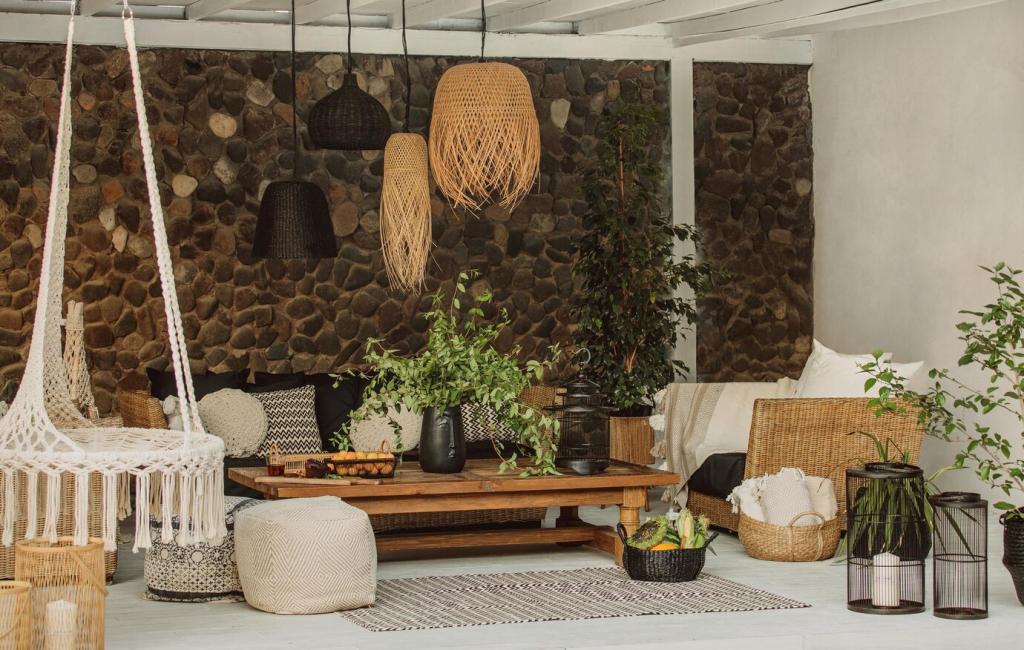
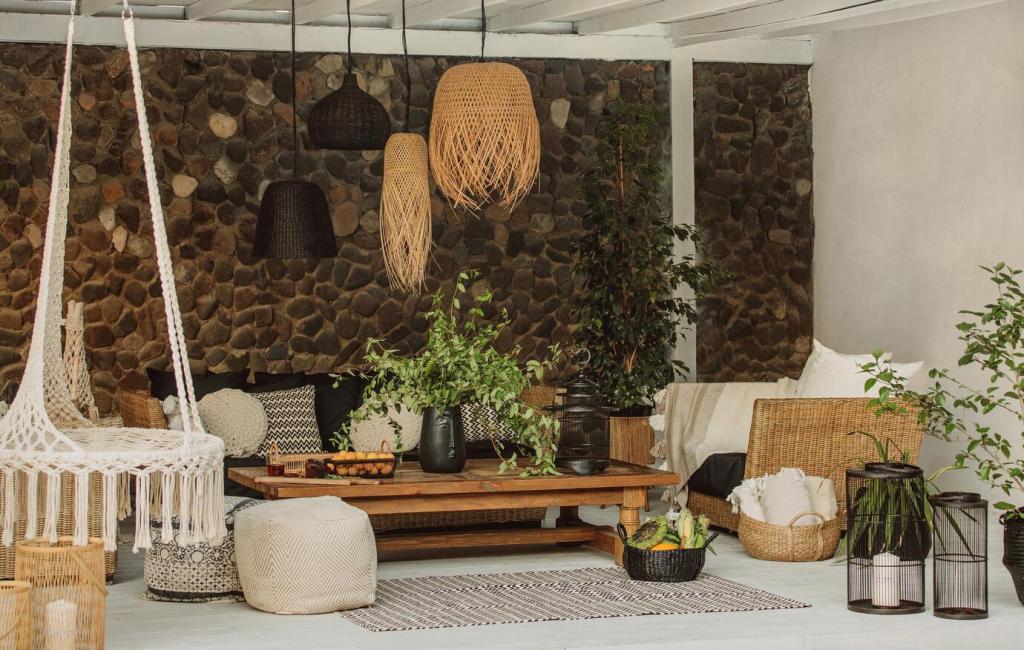
Green interior materials come from rapidly renewable sources or responsible recycling streams. Think bamboo, cork, recycled glass, and reclaimed wood. These reduce demand for virgin resources and often offer unique textures. Tell us which materials you have successfully used and why they worked.

Low Emissions and Non-Toxic Chemistry

Volatile organic compounds can silently influence comfort, sleep, and concentration. Choosing low- or zero-VOC paints, formaldehyde-free panels, and adhesives without harsh solvents creates healthier interiors. Share your experience with air quality improvements after switching to safer finishes and sealants.

Local Sourcing and Lower Embodied Carbon

Transport distance, energy-intensive processing, and waste all shape a product’s footprint. Look for regionally sourced materials with documented embodied carbon. Ask suppliers for Environmental Product Declarations. Comment if your local market offers compelling, low-impact options you trust and recommend.

Healthier Homes, Happier Lives

Switching to VOC-free or ultra-low VOC paints reduces odors and lingering off-gassing. Families often report fewer headaches and easier sleep after repainting. If you noticed a difference after a weekend repaint, tell us what brands or colors felt best in your rooms.

Healthier Homes, Happier Lives

Sheep’s wool, cellulose, and hemp insulation buffer noise and regulate moisture without itchy fibers or harsh binders. They help stabilize indoor humidity, making seasons more comfortable. Have you installed natural insulation? Share how it affected acoustics and your home’s seasonal feel.

Material Spotlight: Bamboo, Cork, and Reclaimed Wood

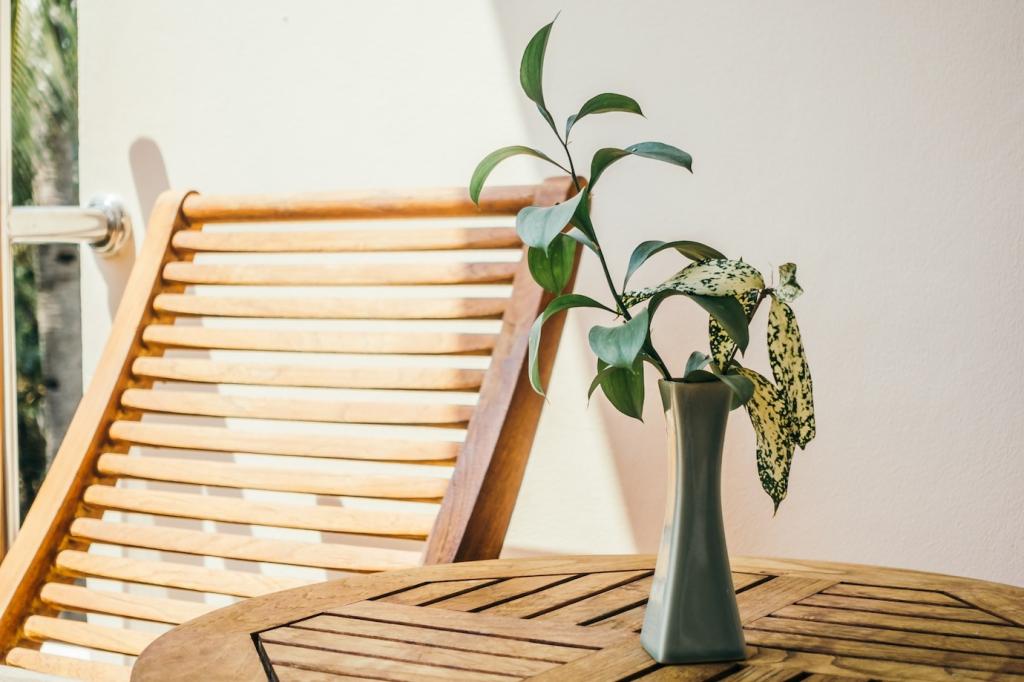
Bamboo matures rapidly, offering dense, elegant flooring when properly manufactured and finished with low-emission coatings. Strand-woven bamboo rivals hardwood durability while lowering pressure on slow-growing species. Comment if you have tested bamboo in high-traffic areas and how it has worn over time.

Proof You Can Trust: Certifications and Standards

LEED and WELL frameworks guide healthier, lower-impact interiors, rewarding low-emitting products, daylighting, and responsible sourcing. Even if you are not certifying, their checklists provide helpful direction. Tell us which credits or features influenced your recent renovation decisions.

Design Joy Without Compromise

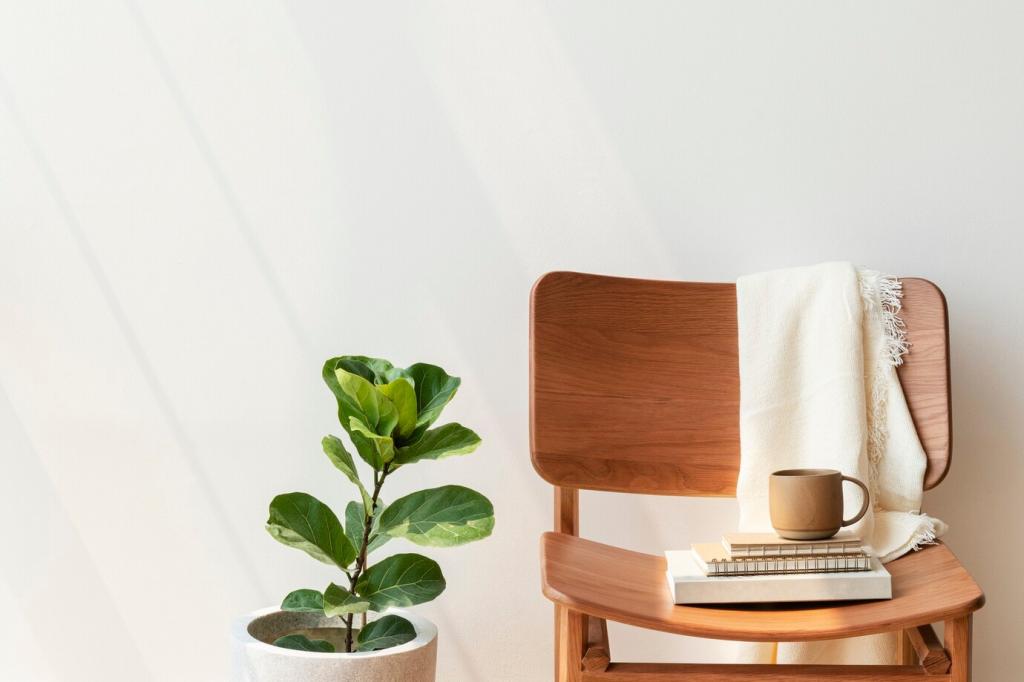
Limewash walls, recycled glass tiles, and plant-based oils on wood create tactile depth that rewards slow living. Natural palettes shift subtly with daylight. Post your favorite combinations and explain how they make a room feel calmer, brighter, or more grounded.

Design Joy Without Compromise

Materials interact with light and temperature. Cork softens acoustics, clay plasters moderate humidity, and light-toned finishes bounce daylight deeper into rooms. Describe a space where these elements aligned, and invite others to try a small, low-risk change this weekend.
Ipareader
Privacy Overview

This website uses cookies so that we can provide you with the best user experience possible. Cookie information is stored in your browser and performs functions such as recognising you when you return to our website and helping our team to understand which sections of the website you find most interesting and useful.